Funded Programs
Programs that have proven their effectiveness at combating and responding to the opioid crisis and making meaningful impacts across Delaware communities. See and sort past grantees, track the way settlement funds are being allocated, and more.
Past/All Grantees
Since 2023, the Delaware Opioid Settlement Commission has awarded grants to dozens of organizations across Delaware. Explore the full list of past grantees, organized by funding phase and grant type.
Grantee Spotlight
See how standout funded organizations are making a difference in Delaware communities.

Located in the heart of Wilmington, the Central YMCA Residence offers 180 single-room accommodations paired with comprehensive wraparound services and nutritious meals. A critical portion of this work is funded by the Prescription Opioid Settlement Distribution Fund, which supports 10 dedicated recovery rooms and a specialized Peer Support Specialist.
The program is anchored by Dwight, a Peer Support Specialist who once called the YMCA home during his own struggle with addiction. Now celebrating nearly 17 years of sobriety, Dwight provides the mentorship and self-belief essential for long-term recovery. Alongside executive director Dr. Jimia Redden, the YMCA team ensures that every resident is treated with the respect and dignity required to build a stable, healthy life.

Supported by Delaware Opioid Abatement funding, Impact Life significantly expanded its prevention and harm-reduction efforts by hosting 42 in-person events and 531 outreach engagements. These initiatives reached 2,567 unique individuals, providing meaningful access to peer support, resources, and pathways to care. By intentionally creating “prosocial” sober environments, Impact Life provided safe spaces where residents could build relationships and experience joy without the presence of substances.
The programming was strategically designed to be inclusive and diverse, featuring youth-focused prevention like “Game On” and middle school outreach, alongside communitywide celebrations like Crab Fest, Skateworld outings, and the Sober Super Bowl. For those in recovery housing, consistent activities like Beach Days, Recovery Field Day, and holiday gatherings reinforced the peer connections that are vital for long-term stability. Ultimately, these 42 events served as essential low-barrier entry points, allowing community members — including those not yet connected with services — to engage with peer staff and transition into sustained support, such as housing and health care navigation.
Located in the heart of Wilmington, the Central YMCA Residence offers 180 single-room accommodations paired with comprehensive wraparound services and nutritious meals. A critical portion of this work is funded by the Prescription Opioid Settlement Distribution Fund, which supports 10 dedicated recovery rooms and a specialized Peer Support Specialist.
The program is anchored by Dwight, a Peer Support Specialist who once called the YMCA home during his own struggle with addiction. Now celebrating nearly 17 years of sobriety, Dwight provides the mentorship and self-belief essential for long-term recovery. Alongside executive director Dr. Jimia Redden, the YMCA team ensures that every resident is treated with the respect and dignity required to build a stable, healthy life.
Supported by Delaware Opioid Abatement funding, Impact Life significantly expanded its prevention and harm-reduction efforts by hosting 42 in-person events and 531 outreach engagements. These initiatives reached 2,567 unique individuals, providing meaningful access to peer support, resources, and pathways to care. By intentionally creating “prosocial” sober environments, Impact Life provided safe spaces where residents could build relationships and experience joy without the presence of substances.
The programming was strategically designed to be inclusive and diverse, featuring youth-focused prevention like “Game On” and middle school outreach, alongside communitywide celebrations like Crab Fest, Skateworld outings, and the Sober Super Bowl. For those in recovery housing, consistent activities like Beach Days, Recovery Field Day, and holiday gatherings reinforced the peer connections that are vital for long-term stability. Ultimately, these 42 events served as essential low-barrier entry points, allowing community members — including those not yet connected with services — to engage with peer staff and transition into sustained support, such as housing and health care navigation.
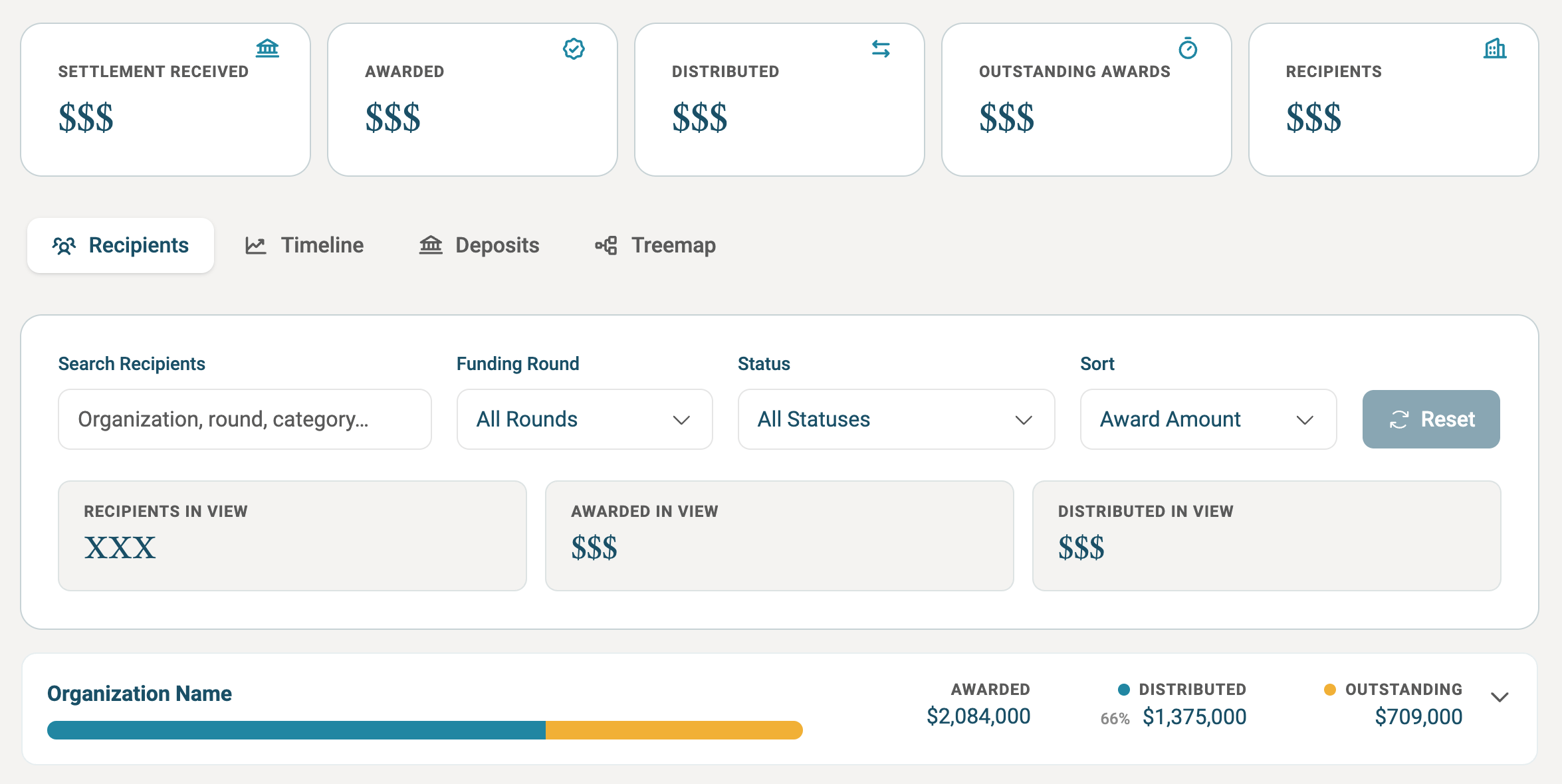
Settlement Fund Tracker
Track how Delaware’s opioid settlement funds are being allocated and distributed in real time through the state’s interactive dashboard.