Skip to content

Opioid Impact Fee Fund Grants

What is the Opioid Impact Fee Fund?

Established under Delaware law (16 Del. C. § 4803A), the Opioid Impact Fee Fund (OIFF) is funded by annual impact fees assessed on pharmaceutical manufacturers, rather than legal settlements. Unlike the state-directed Opioid Settlement Fund, the OIFF has been specifically established as a community-driven fund — giving local residents direct power to decide how these dollars are spent.

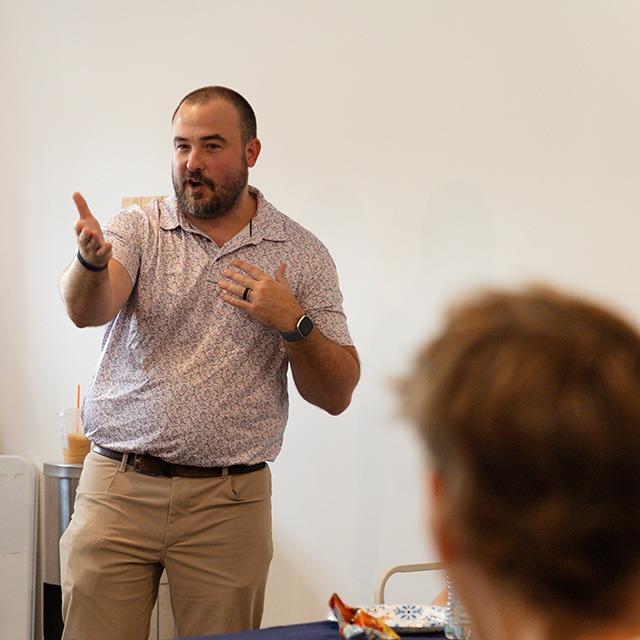
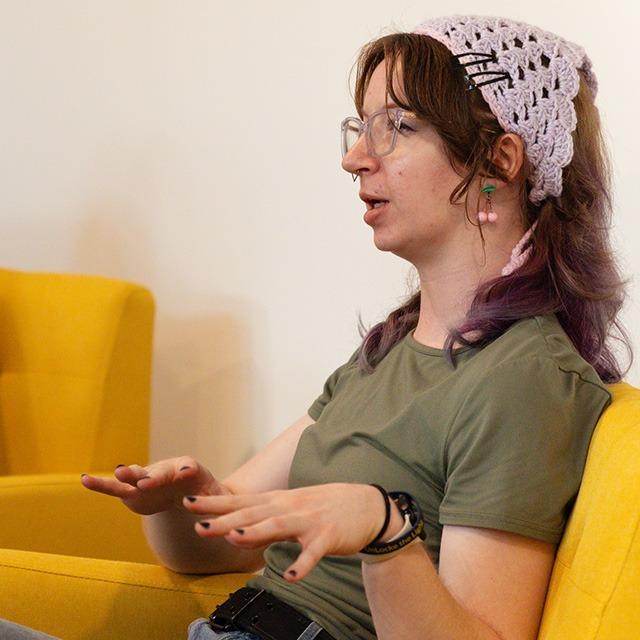
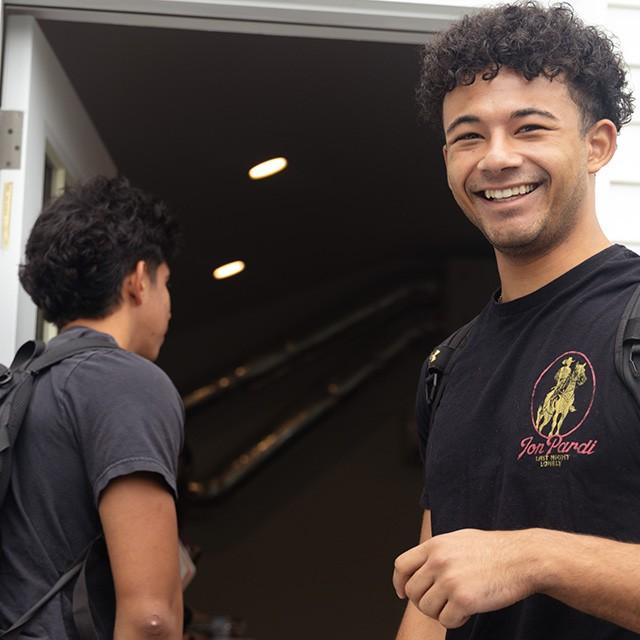
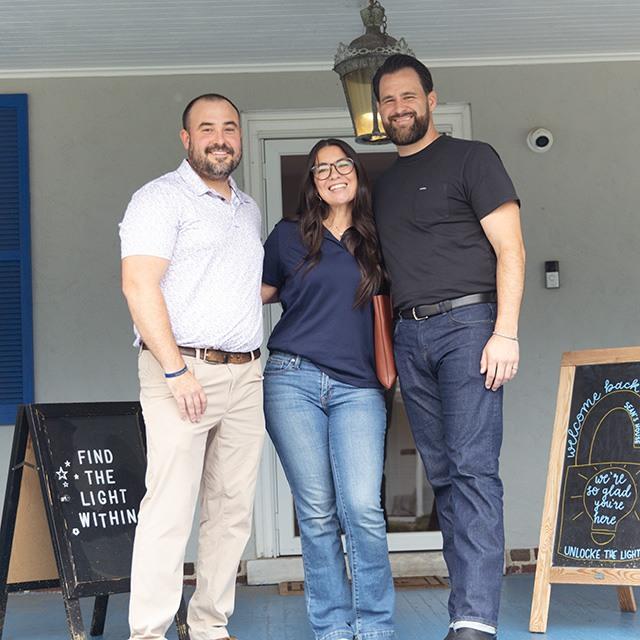
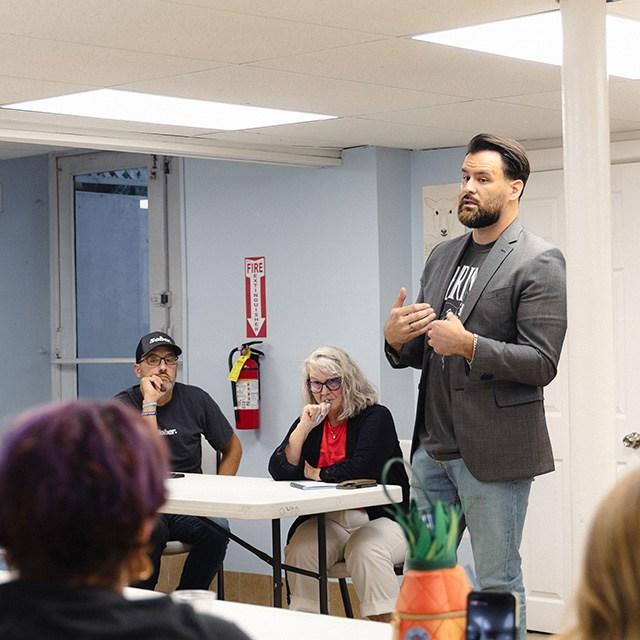
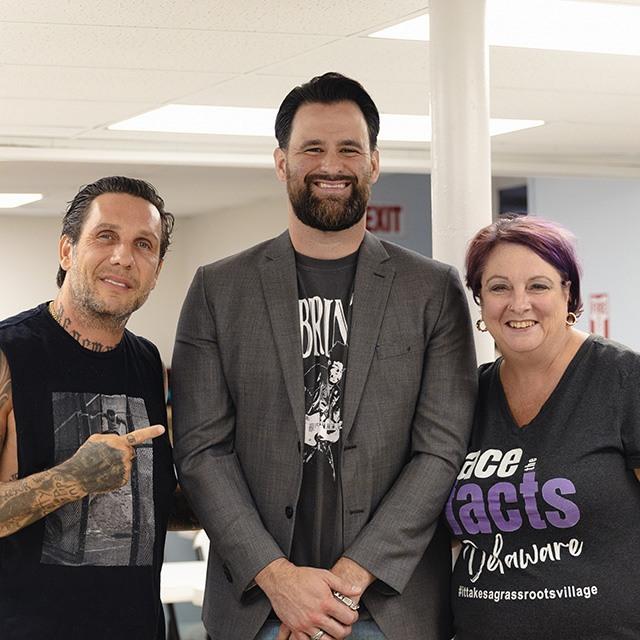
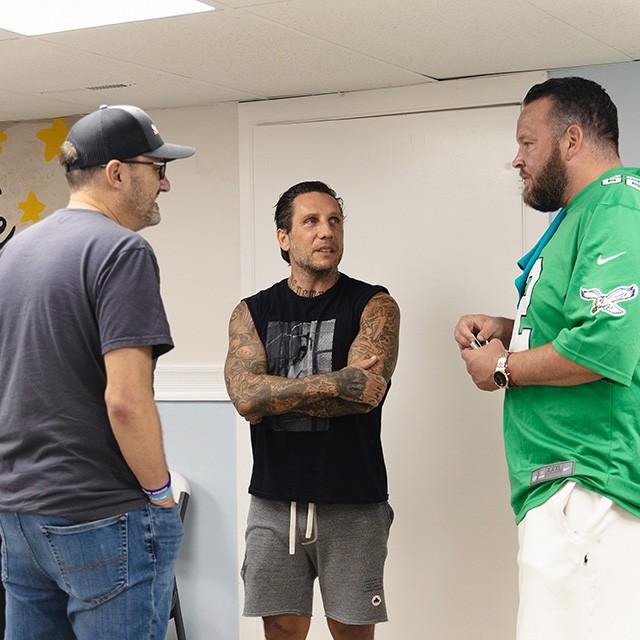
View highlights from our Opioid Impact Fee Fund Listening Tour

Help Decide How Funds Are Used. Take Our Brief Survey.

We are hosting listening sessions with the general public to gather feedback from communities across Delaware on how OIFF dollars should be spent.

If you can’t make it, there’s still a chance to make your voice heard. Complete our brief, anonymous survey to share your top priorities and tell us where funding is needed most. It takes less than two minutes, and your input will directly shape upcoming grant decisions

Take Survey(opens in a new tab)

Putting community input into action.

Our 2026–2027 strategy for successfully implementing the OIFF.

Part 1: 2026

The Listening Tour

DOSC staff and members of the Public Outreach and Community Input Committee are traveling across Delaware to host informal community listening sessions. We are visiting treatment centers, recovery houses, community centers, faith-based organizations, correctional facilities, schools, and other public forums to hear directly from those impacted most by the opioid epidemic. See Tour Highlights.

Part 2: 2026

Community-Led Discussions

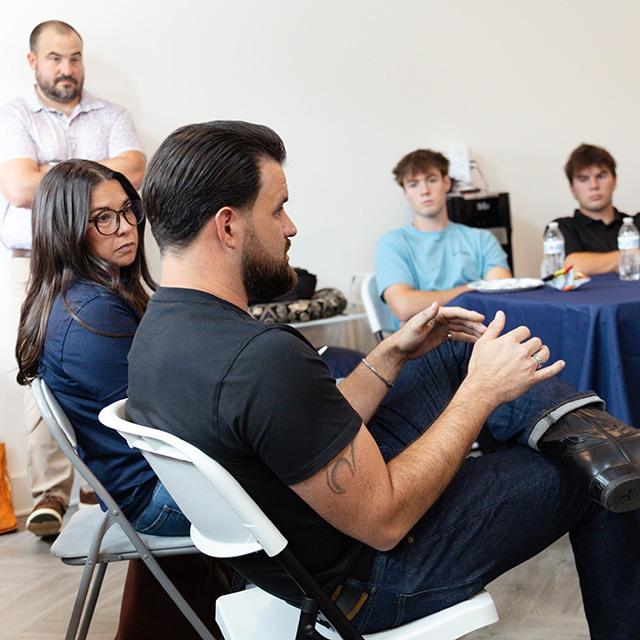
These sessions are simple, informal, and accessible: We gather, pull up a chair, and listen. We answer questions, take notes, and collect feedback to identify key priorities, common challenges, and innovative ideas.

Part 3: Late 2026

Identifying Priorities

As we gather community insights, staff and committee members will synthesize the findings to identify core funding priorities and service gaps across our state.

Part 4: Early 2027

Grant Launch

In 2027, DOSC will officially open the OIFF Grant Program — inviting organizations, community providers, and agencies to submit proposals that directly address the specific needs identified by the public.

Highlights from the Listening Tour

Showing 8 highlights.

Limen Men’s House Listening Session – September 15, 2026

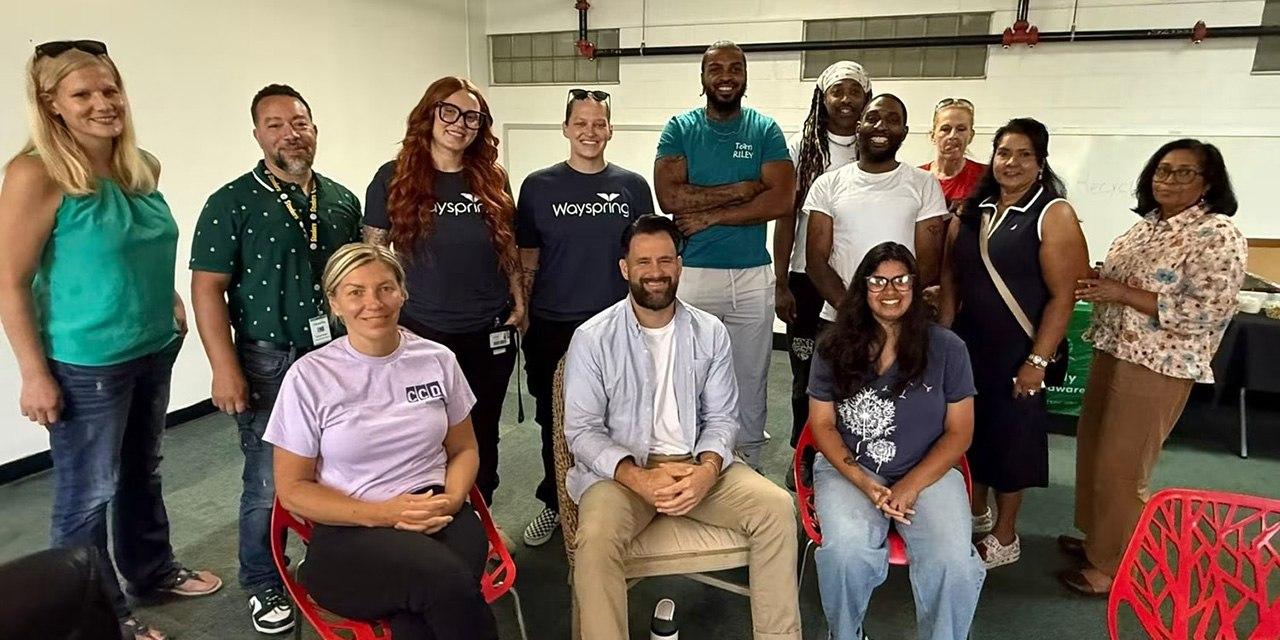
Location: Limen Recovery House (Men), Wilmington, DE Community Host: Limen Recovery & Wellness A small group of 12 men participating in the Limen treatment and recovery program gathered for a 90-minute discussion to share key priorities and community-identified needs for future Opioid Impact Fee Fund investments: Reopen and establish youth community centers, including Boys & Girls Clubs within the City of Wilmington, to provide safe spaces and constructive environments for youth. Expand youth prevention programming. Establish specialized recovery housing options tailored for seniors (ages 50+). Expand inpatient treatment capacity. Expand detox capacity, specifically in Sussex County. Strengthen withdrawal management protocols. Increase treatment availability in rural communities. Expand dual-diagnosis programs addressing co-occurring mental health and substance use disorders. Bridge operational gaps between harm reduction services and formal treatment entry to ensure timely connections to care. Expand peer support services across healthcare settings, specifically embedding peers in hospitals and emergency departments for immediate warm handoffs. Provide 24/7 access to peer recovery specialists for individuals in crisis or early recovery. Reduce stigma surrounding individuals in harm reduction programs and recovery housing through community education and buy-in. Provide essential low-barrier services for unhoused job seekers and reentering individuals, including clean clothing and shower facilities. Develop partnerships with local stores and businesses to support unhoused individuals seeking employment. Expand vocational training, job readiness, and educational opportunities for individuals in recovery. Strengthen formal alumni networks within treatment programs to foster long-term peer mentorship, accountability, and ongoing recovery engagement Expand non-emergency medical and recovery transportation assistance to connect participants to treatment facilities, healthcare appointments, and essential community resources.

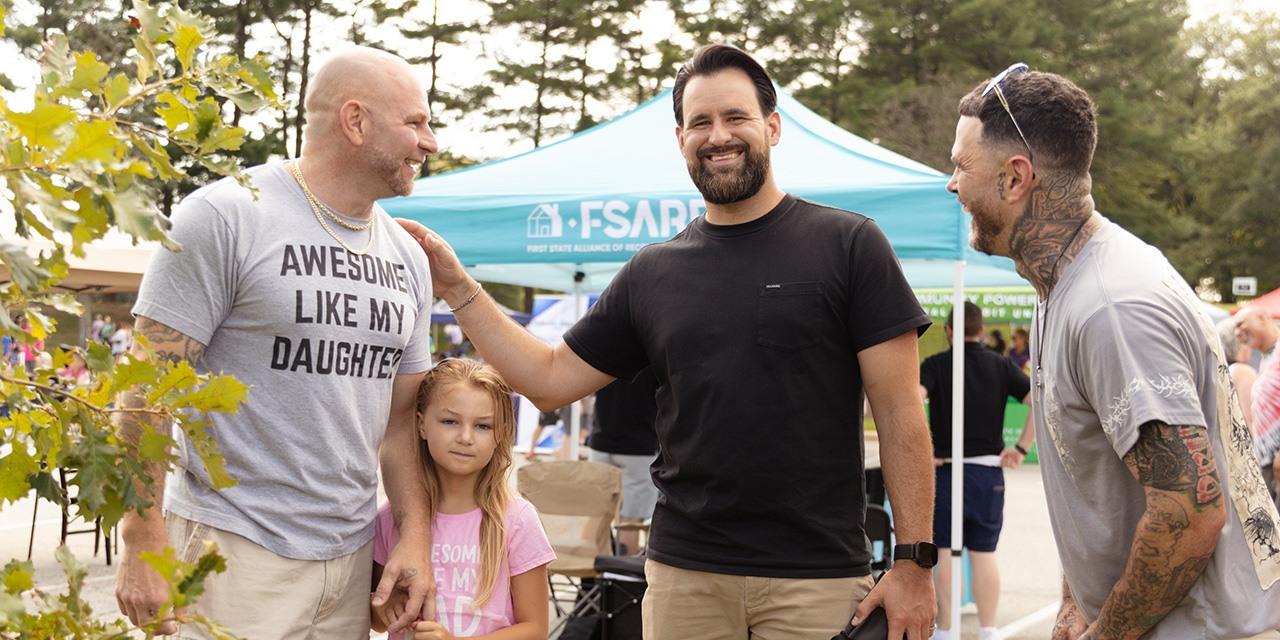
Overdose Awareness Day Delaware Listening Session – September 12, 2026

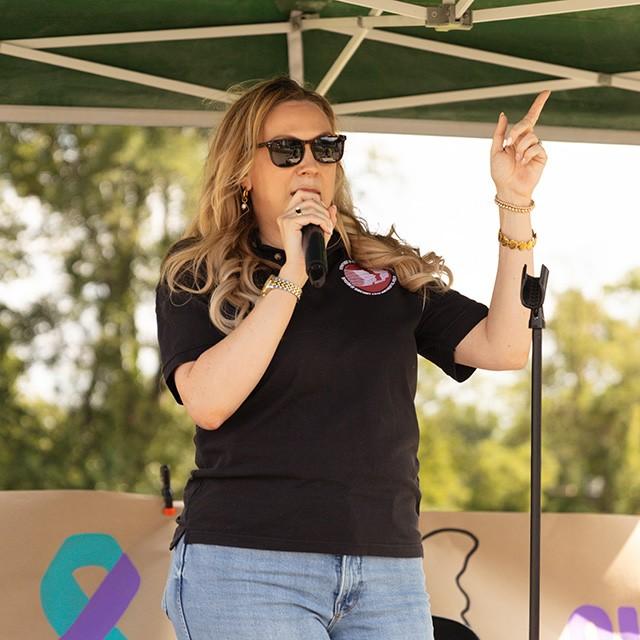
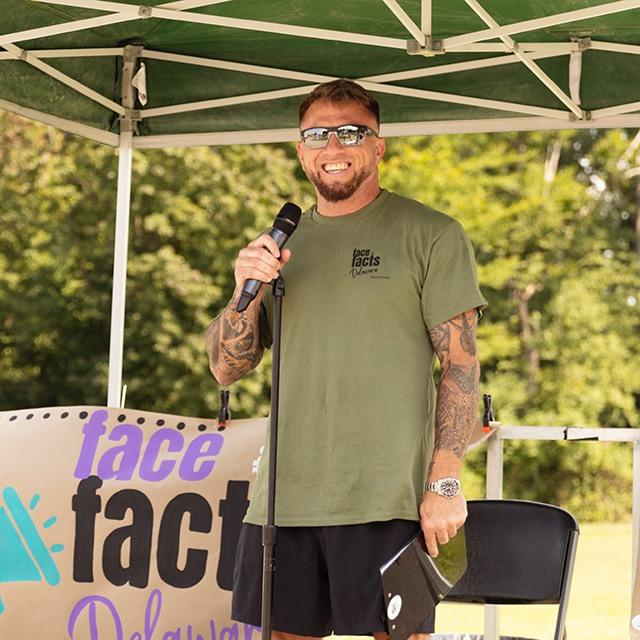
Location: Delcastle Recreational Park, Wilmington, DE Community Host: Face the Facts Hundreds of community members, vendors, exhibitors, first responders, families, and individuals in recovery gathered at Delcastle Recreational Park for the 8th Annual Overdose Awareness Day Delaware. Delaware Opioid Settlement Commission leadership—including Executive Director Brad Owens and DSAMH Director Joanna Champney—attended alongside local law enforcement, community partners, and advocates to honor loved ones lost, celebrate recovery, and gather direct community feedback on Opioid Impact Fee Fund (OIFF) priorities: Direct dedicated settlement funding toward school-based prevention education to reach children early. Integrate age-appropriate substance use curricula into school systems without overburdening educators. Increase public awareness regarding the deadly nature of current illicit substance combinations and emerging synthetic drug threats. Utilize funds to eliminate systemic barriers to treatment and recovery support services across Delaware. Enhance and expand Delaware's "No Wrong Door" policy to ensure individuals can seamlessly access care through any healthcare or community entry point. Open comprehensive, 12-step-based residential care facilities in Delaware that offer holistic, all-around support for individuals completing primary treatment. Establish Overdose Prevention Centers (OPCs) to provide monitored, safe environments for individuals in active use while connecting them to harm reduction, treatment referrals, and essential social services. Expand safe, high-quality recovery housing capacity statewide to ensure individuals leaving treatment have secure living environments to transition to the next stage of recovery. Provide direct housing scholarships and financial assistance to cover first month’s rent and security deposits for individuals exiting recovery residences. Support long-term recovery housing and independent living funds to assist individuals completing programs in securing their own apartments or homes. Provide targeted navigation tools, financial resources, and social support for grandparents and extended family members raising children impacted by parental addiction. Fund youth extracurricular activities and sports teams (e.g., baseball, football, cheerleading) for children affected by family substance use. Provide school re-entry assistance for children affected by family substance use. Expand trauma-informed support and training for school guidance counselors and therapists working with impacted youth. Provide direct assistance for essential personal care, hygiene items, and clothing to build confidence and dignity for individuals reentering society or seeking employment. Establish temporary animal shelters and pet boarding programs so unhoused individuals or those entering residential treatment can receive care without risking the loss of their pets.
1 video available in the session highlights.

Sean’s House Listening Session – September 1, 2026

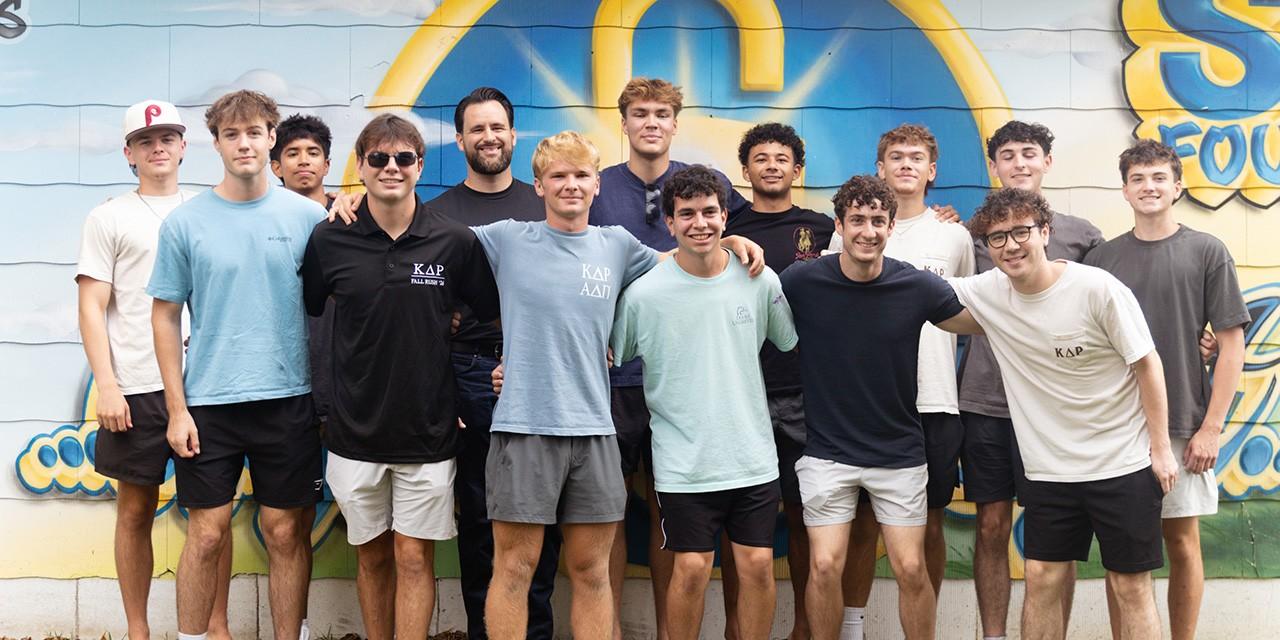
Location: Sean’s House, Newark, DE Community Host: SL24 / Sean’s House Approximately 20 community members—primarily young men from the Kappa Delta Rho fraternity—gathered at Sean’s House to share key priorities and community-identified needs for future Opioid Impact Fee Fund investments: Provide education and training on how to identify individuals in need of substance use services. Deliver training to improve participant navigation and connection to available treatment services. Expand prevention messaging, marketing campaigns, and outreach via social media platforms. Increase public awareness regarding the severe consequences addiction places on families. Expand dedicated support networks and resources for impacted families. Provide statewide education and training on Narcan administration and AED utilization. Push public facilities and community venues across the state to stock and maintain Narcan and AEDs. Increase educational campaigns to help the public recognize the various warning signs and appearances of addiction. Direct targeted addiction awareness and prevention initiatives specifically toward college campuses. Strengthen overall community support networks for individuals navigating recovery. Expand case management services to provide participants with a coordinated team of support. Expand reentry supports, focusing not only on individuals returning from Department of Correction facilities but also those transitioning back to the community from primary treatment. Create dedicated peer support models and non-judgmental safe spaces. Establish safe spaces, community service projects, and structured activities specifically tailored for youth ages 13 to 20. Extend funding for longer-term treatment and recovery programs. Expand step-down housing options and transitional care programs.

Listening Session with Face the Facts

Location: Redemption Addiction Treatment Center, Wilmington, DE Community Host: Face the Facts Approximately 30 community members—including individuals in active treatment at Redemption, loved ones of individuals lost to overdose, local residents, and staff from organizations including Face the Facts, Impact Life, Sean’s House, and Delaware State University—gathered for a monthly community discussion with Delaware Opioid Settlement Commission leadership: Establish targeted support systems for kinship caregivers and extended family members raising children whose parents are experiencing addiction or are in treatment. Provide financial resources for kinship caregivers and extended family members. Focus Opioid Impact Fee Fund allocations toward intergenerational family stabilization. Direct funding toward youth affected by parental substance use. Fund dedicated, non-clinical systems navigators to guide individuals leaving treatment. Assist family caregivers in securing necessary services through dedicated navigators. Develop user-friendly, updated community resource directories. Create practical navigation tools to help families locate real-time treatment and recovery supports. Establish direct assistance funds to help individuals acquire essential personal identification documents, such as state IDs and birth certificates. Assist individuals in obtaining documentation required for employment, treatment admission, housing, and entitlement benefits. Provide direct coverage and dedicated funds for comprehensive dental care and oral health restoration for individuals in recovery. Expand non-emergency medical and recovery transportation assistance. Ensure consistent transportation access to treatment appointments and community resources. Maintain transparent, open-dialogue engagement channels between state leadership, community members, and grassroots organizations to directly inform settlement fund distribution. Emphasize the vital role of personal storytelling and lived experience during Overdose Awareness Month. Highlight community advocate Penny Rogers’ gratitude for Executive Director Brad Owens sharing his personal story of loss. Demonstrate empathetic, authentic leadership by turning personal tragedy into dedicated community advocacy.
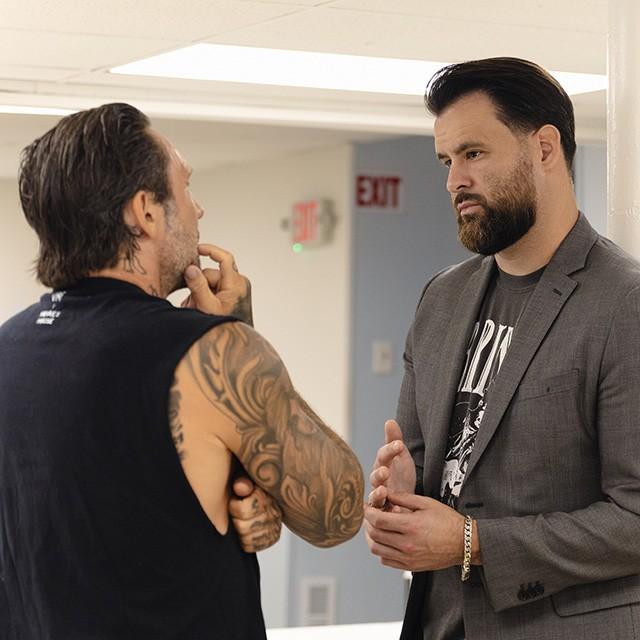
Harm Reduction Conference

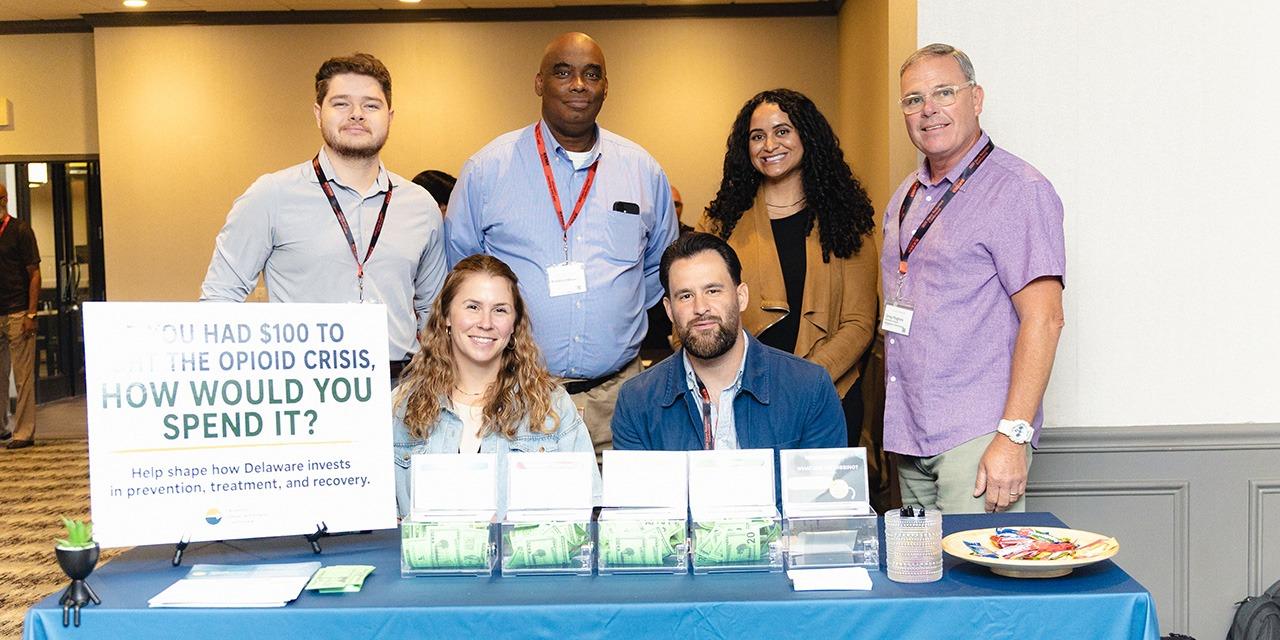
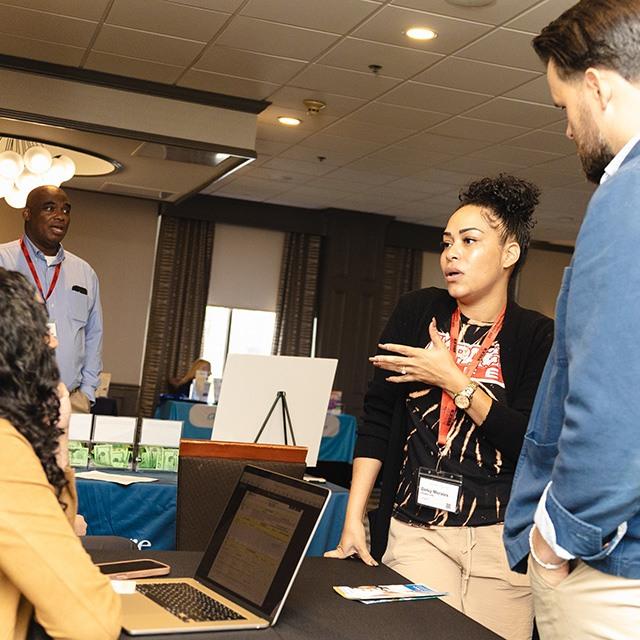
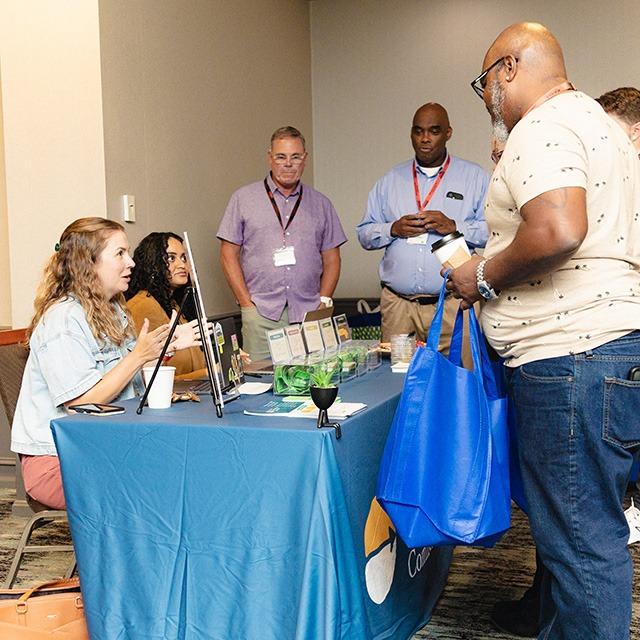
The DOSC team tabled at the Impact Life Harm Reduction Conference, engaging with an audience of several hundred community members and practitioners. Feedback gathered at the event underscored a clear consensus: Affordable long-term housing is foundational to sustainable recovery and human stability. Participants called for a “housing first” approach, flexible housing stabilization funds, and extended residential treatment options so that housing does not disappear once short-term programs end. Additional community priorities included expanding employment opportunities; creating a single, easily accessible resource navigation hub; and increasing public transportation options in southern Delaware. These priorities established housing and basic stability as the essential baseline that allows individuals to engage in treatment, maintain recovery, and work.

Fisher of Men Listening Session – August 6, 2026

Location: 12&12 Community Center, Seaford, DE Community Host: Fisher of Men Foundation Community members, individuals in recovery, family members, and service providers gathered to share critical priorities and community-identified needs for future Opioid Impact Fee Fund investments: Establish scholarship programs for children and families who have lost a parent or primary caregiver to an overdose or incarceration. Establish emergency financial assistance programs for children and families affected by overdose or incarceration. Expand after-school anti-drug prevention programs. Expand youth mentoring and substance use education programs. Incorporate dedicated transportation solutions, including after-school busing, to improve youth access to prevention programs in southern Delaware. Create dedicated grief support and bereavement services for children and families navigating overdose loss. Establish safe spaces for children and families navigating overdose loss. Expand low-barrier transitional and recovery housing options. Provide funding for security deposits and first month's rent. Provide living cost stipends for individuals transitioning out of detox or treatment. Integrate comprehensive case management into housing assistance to support long-term housing stability and self-sufficiency. Fund extended treatment stays for individuals seeking additional time in residential care. Provide financial support for dual-diagnosis mental health treatment. Increase access to post-treatment and post-incarceration job skills training and workforce development. Develop employer partnership programs to expand employment opportunities for individuals in recovery. Establish assistance funds to help individuals in recovery obtain essential documents, such as state IDs and birth certificates, required for employment. Create specialized dental and cosmetic dentistry funds to restore oral health and boost employment readiness. Expand access to comprehensive behavioral health and dual-diagnosis care. Expand healthcare services that promote long-term wellness. Expand non-emergency medical transportation to ensure reliable rides to treatment facilities and medical appointments. Provide transportation assistance for probation check-ins, recovery meetings, and the DMV. Establish a centralized resource hub and case management network to help families navigate available statewide treatment and support services. Launch an Overdose Funeral & Burial Assistance Fund to relieve immediate financial burdens on grieving families following a fatal overdose. Expand funding pathways for grassroots and faith-based organizations providing prevention, recovery, and supportive services. Support community organizations with established relationships and deep trust within the populations they serve. Provide specialized workforce training for organizational staff to enhance service quality, peer support qualification, and retention. Increase public transparency regarding grant review processes and funding decisions.

Firm Foundation Listening Session – July 1, 2026

Location: The Journey Church, Newark, DE Community Host: Firm Foundation Approximately 25 community members—primarily individuals in recovery and participants from the local home group—gathered to share ideas for future Opioid Impact Fee Fund investments: Expand access to long-term inpatient treatment programs. Establish structured, step-down care levels following inpatient treatment. Fund structured, long-term recovery housing models. Expand transitional housing programs tailored for individuals reentering the community from the Department of Correction. Increase direct funding pathways for grassroots, faith-based organizations and recovery programs. Provide 12-step recovery literature directly within treatment facilities. Provide faith-based program materials directly within treatment facilities. Expand peer support services for individuals in ongoing recovery. Create respite care opportunities for individuals in ongoing recovery. Enhance workforce training programs to support long-term stability following primary treatment. Expand job readiness programs for individuals completing primary treatment. Strengthen post-treatment recovery support networks to ensure continuity of care. Address transportation barriers for individuals accessing recovery services. Provide fuel and mileage assistance for drivers transporting individuals to recovery services.

Listening Session with Phoenix Family Resources

DOSC participated in a community listening session hosted by Phoenix Family Resources at the Spirit Center in New Castle, with approximately 15 people in attendance. Participants voiced urgent community needs and offered innovative recovery solutions, including expanding access to dental care, emergency hotel vouchers, parent housing resources, and transportation. Attendees also highlighted workforce and educational priorities such as covering gaps in Division of Vocational Rehabilitation (DVR) services, funding peer support testing fees and training stipends, providing GED and workforce training, and exploring employer wage-subsidy models inspired by Portugal’s recovery framework. Additional community priorities included summer sports and recovery programs for youth, a “What’s Your Why?” initiative, and emergency pet care/boarding for individuals entering residential treatment.